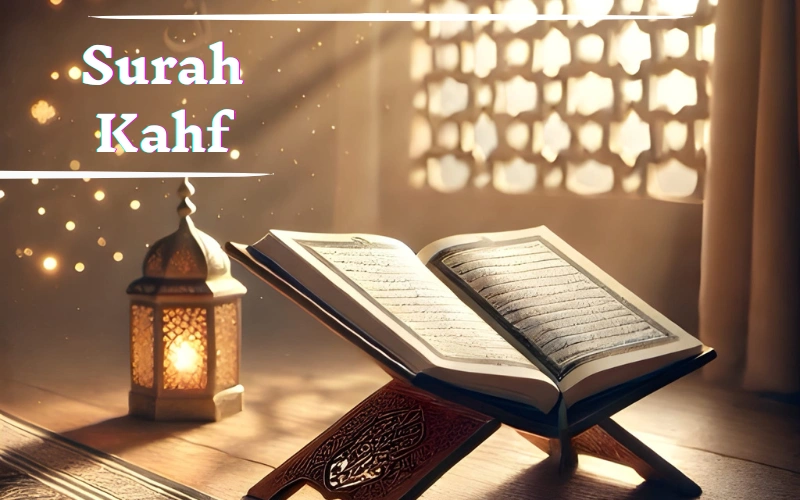
Surah Kahf, meaning “The Cave,” is the 18th chapter of the Holy Quran and holds immense significance in Islamic tradition. This blessed surah consists of 110 verses (ayat) and is considered one of the most important chapters for regular recitation. Named after the story of the People of the Cave (Ashab-e-Kahf), this surah contains profound spiritual lessons and divine guidance that remain relevant for Muslims across all generations.
The importance of Surah Kahf in daily Islamic life cannot be overstated. According to authentic Hadith, reciting this surah on Fridays brings special blessings and protection. The Prophet Muhammad (peace be upon him) emphasized its significance, making it a cornerstone of weekly spiritual practice for millions of Muslims worldwide.
This comprehensive guide will provide you with the complete Arabic text, Hindi translation, Roman Urdu transliteration, and detailed explanation of Surah Kahf, along with practical guidance for recitation and memorization.
Disclaimer: This guide provides general information about Surah Kahf based on widely accepted Islamic teachings. For specific religious guidance, please consult qualified Islamic scholars in your community.
Historical Background and Context
Revelation and Timing
Surah Kahf was revealed in Mecca during the middle period of the Prophet’s mission. The chapter addresses various challenges faced by the early Muslim community, providing them with spiritual strength and guidance through compelling narratives and parables.
The Four Main Stories
The surah contains four significant stories:
- Ashab-e-Kahf (The People of the Cave)
- The Owner of Two Gardens
- Prophet Musa and Khidr (Moses and the mysterious servant)
- Dhul-Qarnayn (The Two-Horned One)
Each story carries profound moral and spiritual lessons about faith, patience, humility, and divine wisdom.
Complete Surah Kahf Text and Translation
Opening Verses (Ayat 1-10)
| Arabic Text | Hindi Translation | Roman Urdu Transliteration |
|---|---|---|
| بِسْمِ اللَّهِ الرَّحْمَٰنِ الرَّحِيمِ | अल्लाह के नाम से जो बहुत मेहरबान, निहायत रहम वाला है | Bismillahir Rahmanir Raheem |
| الْحَمْدُ لِلَّهِ الَّذِي أَنزَلَ عَلَىٰ عَبْدِهِ الْكِتَابَ وَلَمْ يَجْعَل لَّهُ عِوَجًا | सारी तारीफ अल्लाह के लिए है जिसने अपने बंदे पर किताब नाज़िल की और उसमें कोई टेढ़ाई नहीं रखी | Alhamdu lillahil lazi anzala ala abdihi alkitaba wa lam yaj’al lahu iwajan |
| قَيِّمًا لِّيُنذِرَ بَأْسًا شَدِيدًا مِّن لَّدُنْهُ وَيُبَشِّرَ الْمُؤْمِنِينَ | सीधी किताब, ताकि वह उसकी तरफ से सख्त अज़ाब से डराए और ईमान वालों को खुशखबरी दे | Qayyiman liyunzira ba’san shadidan min ladunhu wa yubashshiral mu’mineen |
Key Verses About the People of the Cave (Ayat 9-26)
The story of Ashab-e-Kahf begins with these significant verses:
Arabic: أَمْ حَسِبْتَ أَنَّ أَصْحَابَ الْكَهْفِ وَالرَّقِيمِ كَانُوا مِنْ آيَاتِنَا عَجَبًا
Hindi Translation: क्या तुमने समझा है कि गुफा और रक़ीम वाले हमारी निशानियों में से कोई अजीब चीज़ थे?
Roman Urdu: Am hasibta anna as-haba alkahfi war-raqeemi kanu min ayatina ajaban
Meaning: This verse introduces the famous story of the young believers who sought refuge in a cave to protect their faith, highlighting that their story, while remarkable, is just one of many signs of Allah’s power.
When and How to Recite Surah Kahf
Recommended Timing
Friday Recitation:
- Best Time: Between Maghrib on Thursday and Maghrib on Friday
- Optimal Period: After Fajr prayer on Friday morning
- Duration: Allow 45-60 minutes for complete recitation with reflection
Step-by-Step Recitation Guide
Preparation:
- Perform Wudu (ablution) for spiritual purity
- Face the Qibla direction if possible
- Find a quiet, clean space for recitation
- Begin with Ta’awwuz and Bismillah
Recitation Method:
- Start Slowly: Focus on proper pronunciation (Tajweed)
- Pause for Reflection: Consider the meanings while reciting
- Maintain Concentration: Avoid distractions and rush
- Complete Reading: Aim to finish the entire surah in one sitting
After Recitation:
- Make personal duas (supplications)
- Reflect on the lessons learned
- Express gratitude for the guidance received
Benefits According to Islamic Teachings
Hadith-Based Benefits
Protection from Dajjal: The Prophet Muhammad (peace be upon him) said: “Whoever memorizes the first ten verses of Surah Kahf will be protected from the Dajjal (Antichrist).” This powerful protection makes memorizing these verses essential for every Muslim.
Friday Blessings: According to authentic narrations: “Whoever recites Surah Kahf on Friday, light will shine for him from that Friday to the next Friday.” This weekly practice brings continuous spiritual illumination.
Forgiveness of Sins: Regular recitation of Surah Kahf is believed to bring forgiveness for minor sins and increase one’s good deeds in the sight of Allah.
Spiritual Benefits
Enhanced Faith: The stories within the surah strengthen belief in Allah’s power and wisdom, providing comfort during difficult times.
Patience and Perseverance: The narratives teach valuable lessons about patience, trust in Allah, and the temporary nature of worldly trials.
Wisdom and Guidance: Regular recitation develops spiritual insight and helps in making better life decisions aligned with Islamic principles.
Memorization Tips and Techniques
Effective Memorization Strategies
Daily Practice Method:
- Set Small Goals: Memorize 2-3 verses daily
- Consistent Timing: Choose the same time each day for practice
- Repetition: Recite new verses 20-30 times
- Review: Always revise previously memorized portions
Understanding-Based Learning:
- Learn Meanings: Understand Hindi/English translations
- Connect Stories: Link verses to their narrative context
- Visual Association: Create mental images of the stories
- Audio Support: Listen to beautiful recitations regularly
Weekly Schedule for Memorization
| Day | Verses | Focus Area | Review |
|---|---|---|---|
| Sunday | 1-10 | Opening and introduction | – |
| Monday | 11-20 | People of the Cave beginning | Verses 1-10 |
| Tuesday | 21-30 | Cave story continuation | Verses 1-20 |
| Wednesday | 31-40 | Garden parable | Verses 1-30 |
| Thursday | 41-50 | Worldly life lessons | Verses 1-40 |
| Friday | Complete Review | Full surah recitation | All memorized portions |
| Saturday | Rest/Light Review | Understanding focus | Personal choice |
Practical Applications in Daily Life
Lessons for Modern Muslims
Faith in Adversity: The story of the People of the Cave teaches us to maintain faith even when society opposes our beliefs. In today’s world, Muslims can draw strength from their example when facing religious discrimination or peer pressure.
Temporary Nature of Wealth: The parable of the two gardens reminds us that material possessions are temporary. This lesson helps maintain perspective on career success, wealth accumulation, and social status.
Seeking Knowledge: The journey of Prophet Musa with Khidr emphasizes the importance of seeking knowledge with humility and patience, relevant for students and professionals in all fields.
Integration with Daily Routine
Morning Reflection: Begin Fridays by reading and contemplating specific verses that relate to current life challenges.
Evening Gratitude: End the day by reciting verses about Allah’s blessings and expressing gratitude for daily provisions.
Decision Making: When facing difficult choices, reflect on the wisdom presented in the surah’s various stories.
Common Mistakes to Avoid
Recitation Errors
Pronunciation Issues:
- Practice proper Arabic pronunciation with qualified teachers
- Use reliable audio sources for reference
- Don’t rush through difficult words
Understanding Gaps:
- Always pair recitation with translation study
- Seek explanations from authentic Islamic sources
- Ask scholars about confusing passages
Spiritual Mistakes
Mechanical Recitation: Avoid reading without reflection or understanding. The goal is spiritual benefit, not just completion.
Inconsistent Practice: Don’t limit recitation to only Fridays. Regular engagement throughout the week enhances benefits.
Neglecting Application: Remember to apply the surah’s teachings in daily life, not just memorize the text.
Additional Resources for Study
Recommended Study Materials
Authentic Translations:
- Sahih International English translation
- Maulana Wahiduddin Khan’s Hindi translation
- Dr. Mustafa Khattab’s Clear Quran
Audio Resources:
- Sheikh Abdul Rahman Al-Sudais recitation
- Sheikh Saad Al-Ghamdi’s melodious reading
- Sheikh Mishary Rashid Alafasy’s clear pronunciation
Scholarly Commentaries:
- Tafseer Ibn Kathir for detailed explanations
- Maariful Quran for comprehensive understanding
- Contemporary scholarly works by Dr. Israr Ahmed
Conclusion
Surah Kahf stands as a beacon of guidance for Muslims seeking spiritual growth and practical wisdom. Its four powerful stories provide timeless lessons about faith, patience, humility, and the pursuit of knowledge. The weekly recitation on Fridays offers a structured approach to spiritual development while providing protection and blessings according to prophetic teachings.
Whether you’re beginning your journey with this blessed surah or seeking to deepen your understanding, consistent recitation combined with reflection on its meanings will undoubtedly enrich your spiritual life. Remember that the goal is not merely to complete the recitation but to internalize its lessons and apply them in daily life.
Start with small steps, maintain consistency, and allow the profound wisdom of Surah Kahf to guide you toward a more meaningful and spiritually fulfilling life. May Allah grant us all the ability to benefit from this blessed chapter and implement its teachings in our daily lives.
🌙📖 Surah Fatah 🤲✨ – Unlock 🌟 victory, divine mercy, and spiritual strength 💖🕌 by reciting this powerful surah daily! 🌸🕊️ Gain inner peace 😇💫, attract barakah 💰🕋, and boost your iman 🕯️🌈 – Read & share today! 📜❤️