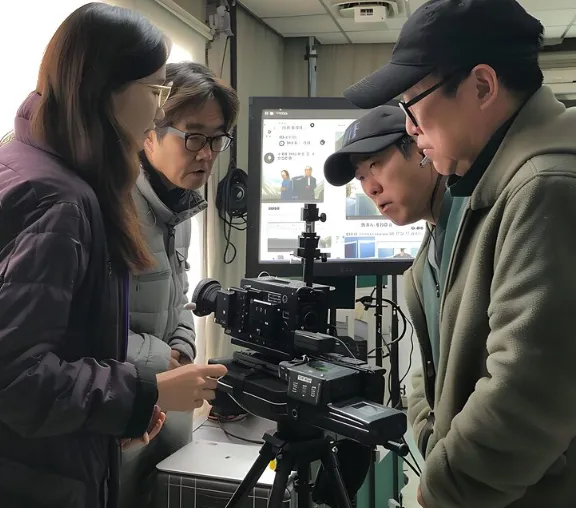
Not every international production needs the full creative team to travel. When budgets, schedules, or availability make that difficult, producers may choose to hire a fixer in South Korea who can coordinate local filming while directors, editors, or clients remain abroad.
Remote production can work well for documentaries, interviews, branded content, and research-led shoots, but responsibilities must be clear. The local team needs enough information to make decisions without constantly waiting for instructions.
Define the Creative Brief Clearly
Remote shoots depend on a more detailed brief than productions where the director is physically present. Shot priorities, interview objectives, visual references, technical standards, and delivery expectations should be agreed before filming starts.
The brief should also explain what matters most if the schedule changes. Local crews need to know which scenes are essential and which can be adjusted if conditions create pressure.
Build Local Editorial Support
A documentary fixer South Korea production can help bridge the gap between the remote editorial team and what is happening on location. This may include contributor coordination, research support, interview context, schedule management, and real-time updates from the field.
That role becomes especially important when new information appears during filming. A strong local contact can recognise when a contributor, location, or unexpected development deserves attention and quickly raise it with the remote team.
Agree on Communication Windows
Time-zone differences can slow decisions if nobody knows when key people will be available. Producers should establish specific periods for approvals, daily updates, and urgent questions before the shoot begins.
Not every small decision should require a video call. Giving the local team authority over routine production matters keeps the day moving while reserving remote approvals for decisions that genuinely affect the story, budget, or visual direction.
Use Live Monitoring Selectively
Remote directors may want to watch interviews or important scenes as they happen. Live video feeds, conferencing tools, or streamed camera outputs can make this possible when the technical setup and internet connection support it.
However, constant live supervision can slow production if every shot requires discussion. It is often better to monitor key sequences closely while allowing experienced local crew members to handle straightforward coverage independently.
Prepare Interviews in Detail
Interview-led remote shoots need particularly careful preparation. Question lists, background notes, pronunciation guidance, contributor details, and the intended editorial angle should all be shared in advance.
If the remote director plans to ask questions live, the technical workflow should be tested beforehand. If a local producer conducts the interview, they should understand which themes need deeper follow-up rather than simply reading questions from a list.
Create Strong Visual References
Words alone may not communicate the exact visual style a remote creative team expects. Reference frames, previous campaign examples, mood boards, framing notes, and simple lighting guides can make expectations much clearer.
These references should guide rather than restrict the local cinematographer. Conditions on location may require adjustments, and experienced crew members should have enough flexibility to respond to light, space, weather, and unexpected visual opportunities.
Organise File Management Early
Remote production creates large amounts of footage that may need to travel digitally rather than physically. File naming, backups, proxy creation, upload priorities, and storage responsibilities should be agreed before the first card is recorded.
Teams should also decide which material needs immediate review. Sending selected proxies first can allow editors or directors abroad to check important sequences while full-resolution footage is prepared for later transfer.
Keep Daily Production Notes
Detailed notes become more valuable when decision-makers are not on set. Producers should record completed shots, contributor details, location changes, technical issues, and any material that may require explanation during editing.
A concise end-of-day report helps the remote team understand what was achieved without reviewing every clip. It also makes missing material easier to identify while the local crew is still available.
Plan for Pickups
Even well-managed remote shoots may reveal gaps once footage reaches the editor. A missing establishing shot, unclear answer, or extra detail may become obvious only during assembly.
Leaving room for a short pickup window can protect the project. When local contacts and locations remain accessible, small additions can often be captured without organising another international trip.
Conclusion
Remote production in South Korea can reduce travel while still giving international teams access to strong contributors, locations, and professional local crews. Success depends on clear briefs, defined authority, reliable communication, and disciplined file management.
When local professionals understand both the creative goal and the practical limits of the shoot, they can make informed decisions without constant supervision. That creates a more efficient production process and allows remote directors, producers, and clients to stay involved where their input matters most.