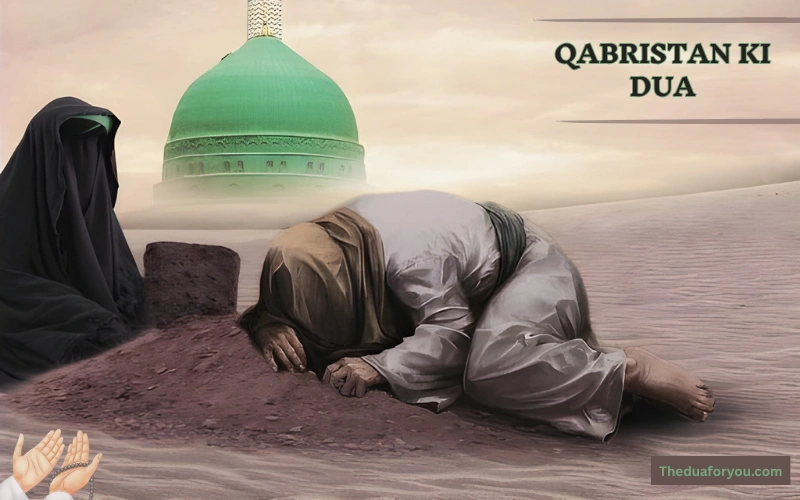
Qabristan ki dua is one of the most beautiful Sunnah supplications in Islam. When a Muslim visits the graveyard, reciting this dua not only greets the deceased but also reminds the visitor of the reality of life and death.
This article brings you the authentic qabristan ki dua with Urdu translation, along with related duas, etiquettes of visiting graves, and answers to the most-asked questions – including practices during Shab e Barat.
Every dua here is verified from authentic Islamic sources like Sahih Muslim and Sunan Ibn Majah, ensuring reliability and accuracy. Let’s reflect on this noble act and learn how to perform it in the most respectful, spiritually beneficial way.
The Main Qabristan Ki Dua (Authentic Hadith)
When the Prophet Muhammad ﷺ visited the graves, he recited the following words as reported in Sahih Muslim (975):
Arabic Text
السَّلَامُ عَلَيْكُمْ أَهْلَ الدِّيَارِ مِنَ الْمُؤْمِنِينَ وَالْمُسْلِمِينَ، وَإِنَّا إِنْ شَاءَ اللَّهُ بِكُمْ لَاحِقُونَ، نَسْأَلُ اللَّهَ لَنَا وَلَكُمُ الْعَافِيَةَ
Transliteration
Assalāmu ʿalaykum ahla d-diyāri minal-muʾminīna wal-muslimīn, wa innā in shāʾa Allāhu bikum lāḥiqūn, nasʾalullāha lanā wa lakumul-ʿāfiyah.
Urdu Translation
تم پر سلام ہو، اے اس مقام کے رہنے والو! تم میں سے مومن اور مسلمان۔ اور ہم بھی، اگر اللہ چاہے، تم سے ملنے والے ہیں۔ ہم اللہ سے تمہارے اور اپنے لیے عافیت (سلامتی) مانگتے ہیں۔
English Meaning
“Peace be upon you, O dwellers of these abodes, from among the believers and the Muslims. And indeed, if Allah wills, we shall soon join you. We ask Allah for well-being for us and for you.”
Shab e Barat Qabristan Ki Dua in Hindi:
अस्सलामु अलैकुम अहलद्दियारि मिनल मु’मिनीन वल मुस्लिमीन, वा इन्ना इन् शा अल्लाहु बिकुम लाहिकून, नसअलुल्लाहा लना व लाकुमुल आफ़ियह।
Meaning in Hindi:
“तुम पर सलाम हो, ऐ इस जगह के रहने वाले मोमिनों और मुसलमानों! इंशा अल्लाह, हम भी तुमसे आ मिलेंगे। हम अल्लाह से तुम्हारे और हमारे लिए सलामती की दुआ करते हैं।”
Authenticity and Source
This dua is narrated by Aisha رضي الله عنها in Sahih Muslim (Hadith 975). It is the exact supplication the Prophet ﷺ would recite whenever he visited the graveyard. Scholars unanimously agree that this is the authentic and recommended supplication (Sunnah) for visiting graves.
By reciting this dua, we follow the Prophet’s example, send greetings of peace to the deceased, and remind ourselves of our inevitable return to Allah ﷻ.
Meaning and Spiritual Reflection
The dua beautifully connects the living and the dead through words of peace and compassion.
-
“Assalamu alaykum” – expresses respect and peace toward the deceased believers.
-
“Wa inna in sha Allahu bikum lahiqun” – acknowledges that every soul will eventually follow.
-
“Nas’alullaha lana wa lakumul ‘afiyah” – seeks well-being and forgiveness for both.
It teaches humility, equality, and the reminder that death is a passage, not an end.
Etiquettes of Visiting the Graveyard
Visiting the qabristan is a Sunnah act that carries deep spiritual benefit. However, it must be done with humility and respect, not as a ritual display.
1. Renew Intention (Niyyah)
Visit the graves to remember death and pray for the deceased, not for worldly gain or superstition.
2. Enter Respectfully
Avoid laughter, loud talking, or walking on graves. Enter calmly and begin with the qabristan ki dua.
3. Recite the Dua Facing the Qiblah
You may stand respectfully, not turning your back to the graves, and make dua facing the Qiblah.
4. Supplicate for the Deceased
After reciting the main dua, make personal supplication for your relatives and all Muslims.
5. Avoid Innovations (Bid’ah)
Do not place food, burn incense, or seek intercession directly from the dead. True benefit lies in dua and charity.
6. Reflect on Death
The Prophet ﷺ said:
“Visit the graves, for they remind you of the Hereafter.”
(Sunan Ibn Majah 1571)
7. Visit Anytime, Including Shab e Barat
Although many visit on Shab e Barat, the dua remains the same. There is no special qabristan ki dua for Shab e Barat – the authentic one is always the same Sunnah supplication.
Related Authentic Duas
Below are several other authentic duas that can be recited while visiting graves or making dua for the deceased. All are taken from sound hadith or the Qur’an.
1. Dua for Forgiveness of All Muslims (Living & Deceased)
Arabic:
اَللّٰهُمَّ اغْفِرْ لِلْمُسْلِمِينَ وَالْمُسْلِمَاتِ، وَالْمُؤْمِنِينَ وَالْمُؤْمِنَاتِ، الأَحْيَاءِ مِنْهُمْ وَالأَمْوَاتِ
Transliteration:
Allāhumma ighfir lil-muslimīna wal-muslimāt, wal-muʾminīna wal-muʾmināt, al-aḥyāʾi minhum wal-amwāt.
Urdu:
اے اللہ! تمام مسلمان مردوں اور عورتوں، ایمان والوں اور ایمان والیوں کو بخش دے – جو زندہ ہیں اور جو فوت ہو چکے ہیں۔
Meaning:
“O Allah, forgive the Muslim men and women, and the believing men and women, those who are living and those who have passed away.”
(Source: Tirmidhi 968)
2. Dua for Mercy on the Deceased
Arabic:
اَللّٰهُمَّ اغْفِرْ لَهُ وَارْحَمْهُ، وَعَافِهِ وَاعْفُ عَنْهُ
Transliteration:
Allāhumma ighfir lahu warḥamhu wa ʿāfihi waʿfu ʿanhu.
Urdu:
اے اللہ! اسے بخش دے، اس پر رحم فرما، اسے عافیت دے اور اس سے درگزر فرما۔
Meaning:
“O Allah, forgive him, have mercy on him, grant him safety, and pardon him.”
(Source: Sahih Muslim 963)
3. Dua for Protection from the Punishment of the Grave
Arabic:
اَللّٰهُمَّ إِنِّي أَعُوذُ بِكَ مِنْ عَذَابِ القَبْرِ
Transliteration:
Allāhumma innī aʿūdhu bika min ʿadhābil-qabr.
Urdu:
اے اللہ! میں تیری پناہ مانگتا ہوں قبر کے عذاب سے۔
Meaning:
“O Allah, I seek refuge in You from the torment of the grave.”
(Source: Sahih Bukhari 1377; Muslim 588)
4. Qur’anic Verse While Placing Soil (Permissible but Not Sunnah)
Arabic:
مِنْهَا خَلَقْنَاكُمْ وَفِيهَا نُعِيدُكُمْ وَمِنْهَا نُخْرِجُكُمْ تَارَةً أُخْرَىٰ
Transliteration:
Minhā khalaqnākum wa fīhā nuʿīdukum wa minhā nukhrijukum tāratan ukhra.
Meaning:
“From it (the earth) We created you, and into it We shall return you, and from it We shall bring you forth once again.”
(Qur’an 20:55)
Note: This verse is from the Qur’an and may be recited at burial or when placing soil, but it is not a hadith-based dua. Scholars mention it as permissible, not obligatory.
Read Also: Namaz e Janaza Ki Dua
Practical Steps When Visiting a Graveyard
-
Perform Wudu and enter with calmness.
-
Recite the authentic qabristan ki dua upon entering.
-
Pray for your relatives, friends, and all Muslims.
-
Avoid weeping loudly or engaging in worldly talk.
-
Reflect on life’s temporary nature – each visit renews your focus on the Hereafter.
-
Give Charity or perform good deeds on behalf of the deceased afterward.
-
Leave respectfully, saying silent dua for the occupants.
Wisdom Behind Visiting the Qabristan
-
Spiritual Reminder: It softens the heart and brings humility.
-
Connection: You spiritually connect with those who came before you.
-
Mercy & Reward: You earn reward by praying for the deceased.
-
Self-Reflection: It reminds every visitor that worldly life is fleeting.
The Prophet ﷺ emphasized this balance: visiting graves is not a ritual of sorrow, but a lesson of mercy and reflection.
Conclusion
The Qabristan Ki Dua is far more than words – it is a spiritual connection between the living and those who have passed away. Reciting it with understanding, respect, and reflection is an act of compassion and obedience to the Sunnah.
Whenever you visit a graveyard – whether on Shab e Barat or any ordinary day – remember to greet the deceased with the words taught by the Prophet ﷺ:
“Assalāmu ʿalaykum ahla d-diyār minal-muʾminīn wal-muslimīn…”
Ask Allah for their forgiveness, pray for peace, and remind yourself of your own journey toward the eternal life.
May Allah ﷻ grant peace to all who have returned to Him, protect us from the punishment of the grave, and make our final resting places gardens of Jannah. Ameen.
? Frequently Asked Questions (FAQs)
1. Can women visit the qabristan?
Scholars differ slightly. The Prophet ﷺ discouraged frequent visits by women (Sunan Tirmidhi 1056) but permitted occasional, respectful visits for remembrance and dua.
2. What should I read when entering a graveyard?
The authentic qabristan ki dua mentioned in Sahih Muslim 975 – starting with “Assalamu alaykum ahla d-diyār…” – is the Sunnah.
3. Is there any special qabristan ki dua for Shab e Barat?
No. The same Sunnah dua applies on Shab e Barat or any other night. Avoid adding unauthentic words or rituals.
4. Can I make dua for my non-Muslim relatives in the graveyard?
No – dua for forgiveness is reserved for Muslims. However, you may remember them respectfully and reflect on Allah’s justice.
5. Should I raise my hands while making dua?
Yes, you may raise your hands when making general dua after reciting the greeting dua. There is no restriction against it.
6. Can the deceased hear our greetings?
Yes. According to hadith, the deceased hear the greetings of visitors. (Musnad Ahmad 15044)
7. How many times should I recite the qabristan ki dua?
Once is sufficient; sincerity matters more than repetition. You may add other general duas afterward.