
Ramadan is the most blessed month of the Islamic calendar, a sacred time when Allah (SWT) showers His mercy, forgiveness, and countless blessings upon His servants. This holy month is divided into three parts, known as Ashras (ten-day stages), and each Ashra carries its own unique spiritual focus. The first stage is dedicated to mercy, which is why Muslims emphasize reciting Pehle Ashre Ki Dua to seek Allah’s compassion and begin Ramadan with sincerity and humility.
-
First Ashra (1st–10th Ramadan): Mercy (Rahmat)
-
Second Ashra (11th–20th Ramadan): Forgiveness (Maghfirat)
-
Third Ashra (21st–30th Ramadan): Salvation (Nijat)
The first Ashra is especially important because it sets the foundation for the entire month. It is called the Ashra of Mercy because during these days, Allah’s mercy descends abundantly. Muslims are encouraged to pray, seek forgiveness, and perform good deeds.
One of the most beautiful ways to connect with Allah in this stage is by reciting the Pehle Ashre Ki Dua Ramadan. This short but powerful dua helps believers seek Allah’s infinite compassion and prepare themselves spiritually for the rest of Ramadan.
Pehle Ashre Ki Dua Ramadan
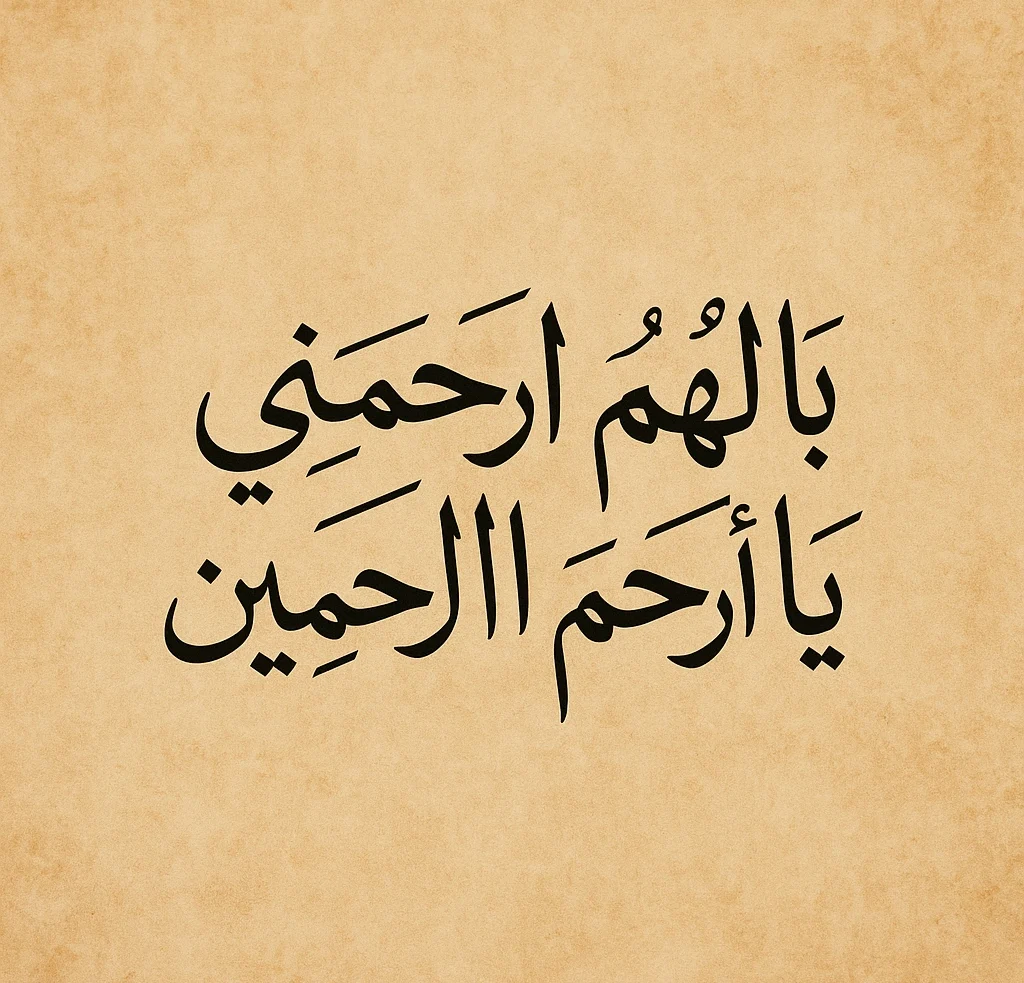
The authentic dua for the first Ashra of Ramadan is:
Arabic Dua:
اللَّهُمَّ ارْحَمْنِي يَا أَرْحَمَ الرَّاحِمِينَ
Transliteration:
Allahumma irhamni yaa Arhamar-Rahimeen
Translation:
“O Allah! Have mercy upon me, O Most Merciful of all those who show mercy.”
This dua perfectly reflects the essence of the first ten days — asking Allah to wrap us in His mercy and forgiveness.
The Deep Meaning Behind the Dua
When a believer recites اللَّهُمَّ ارْحَمْنِي يَا أَرْحَمَ الرَّاحِمِينَ, they are admitting two important truths:
-
Human Weakness: We are dependent on Allah’s mercy to survive in this life and the Hereafter. Without His compassion, we are lost.
-
Allah’s Attribute of Rahmah: Allah introduces Himself in the Qur’an as Ar-Rahman (The Most Merciful) and Ar-Raheem (The Especially Merciful). This dua directly appeals to these attributes.
In essence, this supplication is not just words — it is an acknowledgment that every blessing we have, from our health to our faith, is because of Allah’s mercy.
The Significance of the First Ashra (Mercy)
Scholars of Islam describe the first ten days of Ramadan as a time when Allah’s mercy is most accessible. Prophet Muhammad ﷺ said:
“It (Ramadan) is the month, the first of which brings Allah’s Mercy, the middle of which brings His Forgiveness, and the last of which brings emancipation from the Hellfire.”
(Sunan Ibn Khuzaymah, Hadith 1887)
This means:
-
In the first Ashra, believers should increase their focus on seeking mercy through duas like Ramzan ke pehle ashray ki dua.
-
The mercy of Allah is not limited to forgiveness of sins — it includes guidance, sustenance, protection, and peace of the heart.
-
Acts of kindness, charity, and helping others are also ways of attracting Allah’s mercy.
Related Duas for the First Ashra
Although the Pehle Ashre ki Dua is the main supplication, there are several authentic duas from the Qur’an and Sunnah that align with the theme of mercy. Here are a few to include in your daily practice:1. Dua for Mercy & Forgiveness
Arabic:
رَبِّ اغْفِرْ وَارْحَمْ وَأَنتَ خَيْرُ الرَّاحِمِينَ
Transliteration:
Rabbighfir warham wa anta khayrur-rahimeen
Translation:
“My Lord! Forgive and have mercy, for You are the best of those who show mercy.”
2. Dua from the Qur’an (Asking Mercy for Mistakes)
Arabic:
رَبَّنَا لَا تُؤَاخِذْنَا إِن نَّسِينَا أَوْ أَخْطَأْنَا
Transliteration:
Rabbana la tu’ākhidhnā in nasīnā aw akhṭa’nā
Translation:
“Our Lord! Do not hold us accountable if we forget or make a mistake.”
(Surah Al-Baqarah: 286)
3. Ramadan-Specific Dua for Mercy
Arabic:
اللَّهُمَّ اجْعَلْنِي فِيهِ مِنَ الْمُسْتَغْفِرِينَ، وَاجْعَلْنِي فِيهِ مِنْ عِبَادِكَ الصَّالِحِينَ
Transliteration:
Allahumma aj‘alni fīhi mina-l mustaghfirīn, waj‘alni fīhi min ‘ibādikas-sāliheen
Translation:
“O Allah! Make me among those who seek forgiveness in this month, and among Your righteous servants.”
Practical Tips for Reciting Pehle Ashre Ki Dua
Simply repeating words is not enough. Here’s how to maximize the spiritual impact of this dua:
-
Recite it after every Salah: End your prayers with Pehle Ashre ki dua Ramadan.
-
Recite with Salawat: Begin and end with Durood Sharif to increase acceptance.
-
Make it personal: After reciting the dua, pour your heart out to Allah in your own language.
-
Teach your family: Encourage children to memorize and recite daily.
-
Pair with good deeds: Acts like charity, helping the poor, and showing kindness bring Allah’s mercy.
Benefits of Reciting Pehle Ashre Ki Dua
-
Spiritual Peace: The dua reminds us of Allah’s mercy, easing our hearts and calming our minds.
-
Forgiveness of Sins: Mercy opens the door to forgiveness, cleansing our past mistakes.
-
Strengthened Faith: Constant remembrance of Allah strengthens belief and trust in Him.
-
Preparation for the Rest of Ramadan: The mercy gained in the first Ashra prepares the believer for forgiveness (second Ashra) and salvation (third Ashra).
-
Barakah (Blessings): Mercy brings blessings in health, wealth, family, and worship.
Ramzan ke Pehle Ashre Ki Dua in Daily Life
During the first ten days, try to incorporate this dua into your everyday routine. For example:
-
Morning: Recite it after Fajr and ask Allah for a blessed day.
-
Afternoon: Say it during work or school breaks as a reminder.
-
Evening: Recite after Maghrib while breaking your fast, asking Allah to bless your sustenance.
-
Night: Recite before sleeping, seeking Allah’s mercy for your soul.
This way, the dua becomes not just a Ramadan practice but a habit that nurtures a merciful heart.
Read Also: Hazrat Musa Ki Dua
Conclusion
The Pehle Ashre Ki Dua Ramadan is a gateway to Allah’s infinite mercy. In these first ten days, Muslims are invited to humble themselves, admit their dependence on Allah, and seek His compassion.
By reciting اللَّهُمَّ ارْحَمْنِي يَا أَرْحَمَ الرَّاحِمِينَ with sincerity, along with other authentic supplications, we invite peace into our hearts and blessings into our lives.
The first Ashra is not just about receiving mercy — it is also about giving mercy to others. By forgiving, showing kindness, and helping those in need, we reflect the mercy of Allah in our own actions.
As we begin Ramadan with mercy, may Allah allow us to continue with forgiveness in the second Ashra and earn salvation in the last. Ameen.
Frequently Asked Questions (FAQs)
Q1: What is the dua for the first Ashra of Ramadan?
The dua is: اللَّهُمَّ ارْحَمْنِي يَا أَرْحَمَ الرَّاحِمِينَ (Allahumma irhamni yaa Arhamar-Rahimeen).
Q2: Why is the first Ashra called the Ashra of Mercy?
Because Allah’s mercy is abundantly available in these days, and Muslims are encouraged to seek it through worship, dua, and kindness.
Q3: Can we recite other duas during the first Ashra?
Yes. Qur’anic and Sunnah duas like Rabbighfir warham wa anta khayrur-rahimeen are highly recommended.
Q4: Is there a fixed time to recite Pehle Ashre ki dua Ramadan?
No. You can recite it anytime, but after salah, during suhoor, iftar, or tahajjud are especially blessed moments.
Q5: Can women recite this dua while not fasting?
Yes. Even if not fasting, women can recite duas, engage in dhikr, and seek Allah’s mercy.
Q6: Is this dua authentic?
Yes. It is supported by Islamic scholars and aligns with the teachings of seeking mercy in the first ten days of Ramadan.