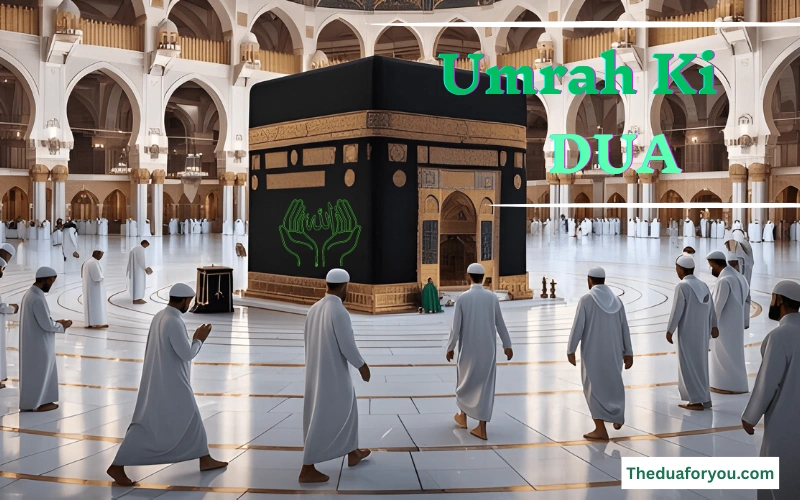
Umrah stands as a cherished form of worship, allowing Muslims to visit Mecca and seek Allah’s blessings at any time. Central to this pilgrimage is umrah ki dua, the heartfelt prayers that accompany each ritual and deepen the spiritual bond. These supplications, drawn from the Prophet’s (peace be upon him) teachings, help pilgrims express gratitude, seek forgiveness, and affirm faith. If you’re planning Umrah, grasping umrah ki dua turns the physical acts into a soulful encounter. This guide breaks it down simply, with accurate duas in Arabic, plus explanations, so anyone can follow along with ease.
We’ll cover the basics of performing Umrah, the key intentions, detailed prayers for each stage, and versions in various languages. All duas here come from trusted Islamic sources like Hadith collections and scholarly guides, ensuring reliability. Approach them with a pure heart, as sincerity amplifies their power.
Umrah Guide: How to Perform Umrah
To set the context for umrah ki dua, here’s a clear outline of the rites. Umrah has four main parts: entering Ihram, circling the Kaaba (Tawaf), walking between Safa and Marwah (Sa’i), and cutting the hair (Halq or Taqsir). This umrah guide keeps things straightforward for beginners.
Start at a Miqat point, like Juhfah or Qarn al-Manazil, depending on your route. Cleanse yourself with a bath if you can, put on Ihram clothes—plain white for men, regular modest attire for women—and state your purpose. Then proceed to the Holy Mosque in Mecca. The whole process usually lasts a few hours, but plan for crowds and take your time to recite prayers mindfully.
Disclaimer:
This article shares general guidance based on authentic Islamic sources. For personal situations or rulings, consult a qualified religious scholar.
Umrah Niyat: Starting with Pure Resolve
The journey begins with umrah niyat, your inner commitment to worship. This niyat for umrah happens at the Miqat and marks the shift into a sacred state.
The standard umrah ki niyat goes like this:
Arabic: اللَّهُمَّ إِنِّيْ أُرِيْدُ الْعُمْرَةَ فَيَسِّرْهَا لِي وَتَقَبَّلْهَا مِنِّي
Transliteration: Allahumma inni uridu al-umrata fa yassirha li wa taqabbalha minni
Meaning: O Allah, I intend to perform Umrah; make it easy for me and accept it from me.
This umrah ki niyat ki dua, or umrah niyat dua, grounds your actions. Say it once, then move to the Talbiyah, repeating it often until you start Tawaf.
Dua for Umrah: Essential Invocations
Umrah ki dua includes specific prayers for each step. These duas for umrah follow the Sunnah, helping you stay focused. Here’s a step by step umrah dua breakdown.
Step-by-Step Umrah Dua: Guiding Your Rites
Ihram and Talbiyah
Right after niyat, chant the Talbiyah, a core umrah dua that declares your presence before Allah.
Arabic: لَبَّيْكَ اللَّهُمَّ لَبَّيْكَ، لَبَّيْكَ لَا شَرِيكَ لَكَ لَبَّيْكَ، إِنَّ الْحَمْدَ وَالنِّعْمَةَ لَكَ وَالْمُلْكَ، لَا شَرِيكَ لَكَ
Transliteration: Labbayka Allahumma labbayk, labbayka la sharika laka labbayk, inna al-hamda wa al-ni’mata laka wa al-mulk, la sharika lak
Meaning: Here I am, O Allah, here I am. Here I am, You have no partner, here I am. Verily all praise, grace, and sovereignty belong to You. You have no partner.
Entering the Holy Mosque
Step in with your right foot and say:
Arabic: اللَّهُمَّ افْتَحْ لِيْ أَبْوَابَ رَحْمَتِكَ
Transliteration: Allahumma iftah li abwaba rahmatik
Meaning: O Allah, open the gates of Your mercy for me.
Tawaf Prayers
Begin at the Black Stone with “Bismillah, Allahu Akbar.” For the seven rounds, recite praises like “Subhanallah, Alhamdulillah, La ilaha illallah, Allahu Akbar.” In the space between the Yemeni Corner and Black Stone:
Arabic: رَبَّنَا آتِنَا فِي الدُّنْيَا حَسَنَةً وَفِي الْآخِرَةِ حَسَنَةً وَقِنَا عَذَابَ النَّارِ
Transliteration: Rabbana atina fi al-dunya hasanatan wa fi al-akhirati hasanatan wa qina ‘adhab al-nar
Meaning: Our Lord, give us good in this world and good in the Hereafter, and save us from the punishment of the Fire. Finish with two units of prayer near Maqam Ibrahim.
Sa’i Invocations
At Safa, facing the Kaaba:
Arabic: إِنَّ الصَّفَا وَالْمَرْوَةَ مِنْ شَعَائِرِ اللَّهِ
Transliteration: Inna al-safa wa al-marwata min sha’a’ir Allah
Meaning: Indeed, Safa and Marwah are among the symbols of Allah.
Then add: La ilaha illallah wahdahu la sharika lah, lahul-mulku wa lahul-hamdu wa huwa ‘ala kulli shay’in qadir. Repeat at Marwah. During the seven walks, offer any personal requests.
Zamzam Water Prayer
While drinking:
Arabic: اللَّهُمَّ إِنِّيْ أَسْأَلُكَ عِلْمًا نَافِعًا وَرِزْقًا وَاسِعًا وَشِفَاءً مِنْ كُلِّ دَاءٍ
Transliteration: Allahumma inni as’aluka ‘ilman nafi’an wa rizqan wasi’an wa shifa’an min kulli da’
Meaning: O Allah, I ask You for beneficial knowledge, wide provision, and cure from every illness.
Halq or Taqsir and Completion
As you cut your hair:
Say “Allahu Akbar” three times and praise Allah. A simple gratitude:
Arabic: الْحَمْدُ لِلَّهِ عَلَى مَا أَنْعَمَ عَلَيْنَا
Transliteration: Alhamdu lillahi ‘ala ma an’ama ‘alayna
Meaning: Praise be to Allah for what He has bestowed upon us.
These duas for umrah cover the full sequence. Add your own words anywhere—Allah welcomes all earnest calls.
Umrah Ki Dua: Essential Prayers Across Languages
| Language | Dua Type | Dua Text and Meaning |
|---|---|---|
| Urdu | Umrah Niyyah | Text: اے اللہ، میں عمرہ کا ارادہ کرتا ہوں، اسے میرے لیے آسان کر دے اور مجھ سے قبول فرما۔ |
| Talbiyah | Text: لبيك اللهم لبيك، لبيك لا شريك لك لبيك، ان الحمد والنعمة لك والملك، لا شريك لك۔ | |
| Hindi | Umrah Niyyah | Text: हे अल्लाह, मैं उमराह का इरादा करता हूं, इसे मेरे लिए आसान बना दे और मुझसे कबूल कर ले। |
| Talbiyah | Text: लब्बैक अल्लाहुम्मा लब्बैक, लब्बैक ला शरीका लका लब्बैक, इन्नल हम्दा वन निमता लका वल मुल्क, ला शरीका लक। | |
| Bangla | Umrah Niyyah | Text: হে আল্লাহ, আমি উমরাহ করার ইচ্ছা করছি, এটাকে আমার জন্য সহজ করে দাও এবং আমার কাছ থেকে কবুল করো। |
| Talbiyah | Text: লাব্বাইক আল্লাহুম্মা লাব্বাইক, লাব্বাইক লা শারীকা লাকা লাব্বাইক, ইন্নাল হামদা ওয়ান নিমাতা লাকা ওয়াল মুলক, লা শারীকা লাক। | |
| English | Umrah Niyyah | Text: O Allah, I intend to perform Umrah; make it easy for me and accept it from me. |
| Talbiyah | Text: Here I am, O Allah, here I am. Here I am, You have no partner, here I am. Verily all praise, grace, and sovereignty belong to You. You have no partner. |
Other Related Duas to Main Keyword
To complete your preparation, include these verified extras:
Travel Dua:
Arabic: سُبْحَانَ الَّذِيْ سَخَّرَ لَنَا هَذَا وَمَا كُنَّا لَهُ مُقْرِنِيْنَ وَإِنَّا إِلَى رَبِّنَا لَمُنْقَلِبُوْنَ
Transliteration: Subhanalladhi sakhkhara lana hadha wa ma kunna lahu muqrinin, wa inna ila rabbina lamunqalibun
Meaning: Glory to Him who has subjected this to us, and we could not have otherwise subdued it; and indeed, to our Lord we will return.
Seeing the Kaaba:
Arabic: اللَّهُمَّ زِدْ هَذَا الْبَيْتَ تَشْرِيفًا وَتَعْظِيمًا وَتَكْرِيمًا وَمَهَابَةً وَزِدْ مَنْ شَرَّفَهُ وَعَظَّمَهُ مِمَّنْ حَجَّهُ أَوْ اعْتَمَرَهُ تَشْرِيفًا وَتَكْرِيمًا وَتَعْظِيمًا وَبِرًّا
Transliteration: Allahumma zid hadha al-bayta tashrifan wa ta’ziman wa takriman wa mahabatan, wa zid man sharrafahu wa ‘azzamahu mimman hajjahu aw i’tamarahu tashrifan wa takriman wa ta’ziman wa birran
Meaning: O Allah, increase this House in the honor, exaltation, respect, and reverence due to it. And increase those who honor and exalt it—among those who perform Hajj or Umrah—in honor, respect, exaltation, and piety.
After Umrah Completion:
Arabic: اللَّهُمَّ اجْعَلْهُ عُمْرَةً مَقْبُوْلَةً وَذَنْبًا مَغْفُوْرًا وَسَعْيًا مَشْكُوْرًا
Transliteration: Allahumma ij’alhu umratan maqbulatan wa dhanban maghfuran wa sa’yan mashkuran
Meaning: O Allah, make this an accepted Umrah, with sins forgiven and efforts rewarded.
These enhance your dua for umrah, covering travel, arrival, and reflection.
🤲 Read Also: Safa Marwa Ki Dua
Conclusion
Umrah ki dua turns a physical trip into a soul-enriching experience. By following these prayers, you invite Allah’s blessings and peace. Whether it’s your first time or a repeat, let sincerity guide you for maximum rewards.
? Frequently Asked Questions About Umrah Ki Dua
1. What happens if I miss a dua in a ritual?
A: It’s okay—continue with general remembrance of Allah. The main goal is devotion, not perfection.
2. Are duas valid in languages other than Arabic?
A: Sunnah duas work best in Arabic, but personal ones in your language count too.
3. Any special duas for families or groups?
A: Use the same ones, but add collective pleas for safety and unity during Sa’i or Tawaf.
4. How to handle Umrah during menstruation?
A: Women delay Tawaf until pure, but recite other duas and complete the rest.
5. Can I add modern concerns to my duas?
A: Yes, like praying for health or family—duas adapt to your needs.