
Seeking forgiveness from Allah (استغفار Istighfar) is one of the most powerful acts of worship in Islam. The Istighfar Dua is a sincere prayer for forgiveness, mercy, and spiritual cleansing. This article covers the complete dua in Arabic, its meaning, related duas, and how believers can incorporate it into daily life.
What Is Istighfar?
“Istighfar” comes from the Arabic root ghafara, meaning to cover or to forgive. When a Muslim recites an Istighfar Dua, they humbly ask Allah to pardon their sins, both known and hidden. The most famous among these supplications is the Sayyidul Istighfar Dua, often called Syed ul Astaghfar or Sayedul Istegfar, which the Prophet Muhammad ﷺ described as the best way to seek forgiveness.
🌟Sayyidul Istighfar (The Master Duʿā’ of Forgiveness)
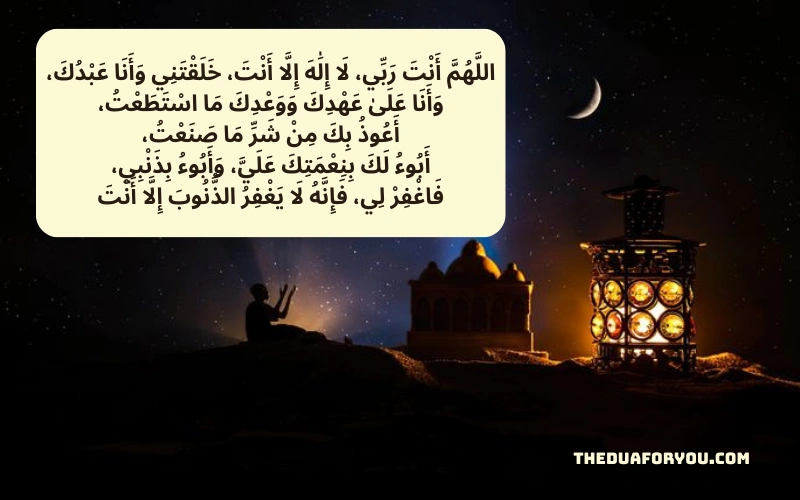
Istighfar Dua In Arabic:
اللَّهُمَّ أَنْتَ رَبِّي، لَا إِلَٰهَ إِلَّا أَنْتَ، خَلَقْتَنِي وَأَنَا عَبْدُكَ،
وَأَنَا عَلَىٰ عَهْدِكَ وَوَعْدِكَ مَا اسْتَطَعْتُ،
أَعُوذُ بِكَ مِنْ شَرِّ مَا صَنَعْتُ،
أَبُوءُ لَكَ بِنِعْمَتِكَ عَلَيَّ، وَأَبُوءُ بِذَنْبِي،
فَاغْفِرْ لِي، فَإِنَّهُ لَا يَغْفِرُ الذُّنُوبَ إِلَّا أَنْتَ
Transliteration:
Allāhumma anta rabbī, lā ilāha illā anta,
khalaqtanī wa ana ʿabduk, wa ana ʿalā ʿahdika wa waʿdika mā istaṭaʿt,
aʿūdhu bika min sharri mā ṣanaʿt,
abū’u laka biniʿmatika ʿalayya, wa abū’u bidhanbī,
faghfir lī, fa-innahu lā yaghfiru ad-dhunūba illā anta.
Istighfar Dua In English:
“O Allah, You are my Lord, there is no god but You.
You created me and I am Your servant,
and I abide by Your covenant and promise as best I can.
I seek refuge in You from the evil of what I have done.
I acknowledge Your blessings upon me and I admit my sins.
So forgive me, for none forgives sins except You.”
🔹 Hadith (Sahih al-Bukhari 6306):
Whoever recites this in the morning with certainty and dies that day enters Paradise.
Whoever says it at night and dies that night, enters Paradise.
Istighfar Dua in Different Languages
-
Istighfar Dua in Hindi (इस्तिग़फ़ार दुआ):
हे अल्लाह! तू मेरा पालनहार है, तेरे सिवा कोई पूज्य नहीं।
तूने मुझे पैदा किया और मैं तेरा बंदा हूँ।
मैं तेरे वादे और अ़हद पर हूँ जितना मुझसे बन सके।
मैं अपने बुरे कर्मों से तेरी पनाह चाहता हूँ।
मैं तुझसे तेरी नेमतों का इकरार करता हूँ और अपने गुनाहों का भी।
तू मुझे माफ कर दे, क्योंकि तेरे सिवा कोई गुनाह नहीं माफ कर सकता। -
Istighfar Dua Bangla (ইস্তিগফার দোয়া):
হে আল্লাহ! আপনি আমার পালনকর্তা, আপনার ছাড়া আর কোন ইলাহ নেই।
আপনি আমাকে সৃষ্টি করেছেন, আমি আপনার দাস।
আমি আপনার অঙ্গীকার ও প্রতিশ্রুতিতে আছি যতটা সম্ভব।
আমি আমার কৃতকর্মের অশুভ দিক থেকে আপনার আশ্রয় প্রার্থনা করছি।
আমি আপনার অনুগ্রহের স্বীকৃতি দিচ্ছি এবং আমার পাপের স্বীকার করছি।
অতএব, আপনি আমাকে ক্ষমা করুন, নিশ্চয়ই আপনি ছাড়া আর কেউ পাপ ক্ষমা করতে পারে না। -
Istighfar Dua in Tamil:
ஓ அல்லாஹ்! நீர் எனது இறைவன்; உம்மைத் தவிர எந்தத் தெய்வமும் இல்லை.
நீங்கள் என்னை உருவாக்கினீர்; நான் உமது அடியேன்.
நான் உம்மிடம் செய்த ஒப்பந்தம் மற்றும் வாக்குறுதியை எனது திறமையுடன் நிறைவேற்றுகிறேன்.
நான் செய்த தவறுகளின் தீமையிலிருந்து உம்மிடம் பாதுகாப்பு கேட்கிறேன்.
நீங்கள் எனக்கு அளித்த நன்மைகளை ஒப்புக்கொள்கிறேன்; எனது பாவங்களையும் ஒப்புக்கொள்கிறேன்.
எனவே என்னை மன்னியுங்கள்; நிச்சயமாக உம்மைத் தவிர வேறு யாரும் பாவங்களை மன்னிக்க முடியாது. -
Istighfar Dua in Urdu(اردو):
اے اللہ! تو میرا رب ہے، تیرے سوا کوئی معبود نہیں،
تو نے مجھے پیدا کیا اور میں تیرا بندہ ہوں،
میں تیری دی ہوئی عہد و پیمان پر قائم ہوں جتنا مجھ سے ہو سکے،
میں تیرے سامنے اپنے گناہوں کا اقرار کرتا ہوں،
پس مجھے بخش دے، بے شک تیرے سوا کوئی گناہوں کو معاف نہیں کر سکتا۔
Other Powerful Duʿās (Supplications) For Forgiveness
1. Simple Istighfar (Seeking Forgiveness)
Arabic:
أَسْتَغْفِرُ اللَّهَ
Transliteration:
Astaghfirullāh
Meaning:
“I seek forgiveness from Allah.”
🔹 The Prophet ﷺ used to say “Astaghfirullah” 70 to 100 times a day. (Sahih Muslim)
🌿 2. Comprehensive Forgiveness Duʿā’
Arabic:
رَبِّ اغْفِرْ لِي وَتُبْ عَلَيَّ، إِنَّكَ أَنْتَ التَّوَّابُ الرَّحِيمُ
Transliteration:
Rabbi ighfir lī wa tub ʿalayya, innaka anta at-Tawwābu ar-Raḥīm
Meaning:
“My Lord, forgive me and accept my repentance. Indeed, You are the Accepting of repentance, the Merciful.”
🌿 3. Duʿā’ for Repentance from the Qur’an (Surah Al-A‘rāf: 23)
Arabic:
رَبَّنَا ظَلَمْنَا أَنفُسَنَا، وَإِن لَّمْ تَغْفِرْ لَنَا وَتَرْحَمْنَا لَنَكُونَنَّ مِنَ الْخَاسِرِينَ
Transliteration:
Rabbana ẓalamnā anfusanā, wa illam taghfir lanā wa tarḥamnā lanakūnanna mina al-khāsirīn
Meaning:
“Our Lord, we have wronged ourselves, and if You do not forgive us and have mercy upon us, we will surely be among the losers.”
🔹 This was the duʿā’ of Prophet Adam ﷺ after his slip.
🌿 4. Duʿā’ of Yunus (Jonah) – The Duʿā’ in the Belly of the Whale
Arabic:
لَا إِلَٰهَ إِلَّا أَنتَ، سُبْحَانَكَ، إِنِّي كُنتُ مِنَ الظَّالِمِينَ
Transliteration:
Lā ilāha illā anta, subḥānaka, innī kuntu mina aẓ-ẓālimīn
Meaning:
“There is no god but You, Glory be to You! Truly, I have been among the wrongdoers.”
🔹 The Prophet ﷺ said:
“No Muslim says it except that Allah will answer his prayer.” (Tirmidhi)
🌿 5. Duʿā’ of the Prophet ﷺ after Salah
Arabic:
اللَّهُمَّ أَنْتَ السَّلَامُ، وَمِنْكَ السَّلَامُ، تَبَارَكْتَ يَا ذَا الْجَلَالِ وَالْإِكْرَامِ
Transliteration:
Allāhumma anta as-Salām, wa minka as-Salām, tabārakta yā Dhā al-Jalāli wa al-Ikrām
Meaning:
“O Allah, You are Peace, and from You comes peace. Blessed are You, O Possessor of Majesty and Honor.”
🔹 Often recited after prayer, followed by Astaghfirullāh three times.
🌿 6. Duʿā’ for Constant Forgiveness (Morning & Evening)
Arabic:
اللَّهُمَّ اغْفِرْ لِي، وَارْحَمْنِي، وَاهْدِنِي، وَعَافِنِي، وَارْزُقْنِي
Transliteration:
Allāhumma ighfir lī, warḥamnī, wahdinī, wa ʿāfinī, warzuqnī
Meaning:
“O Allah, forgive me, have mercy on me, guide me, give me health, and provide for me.”
Benefits of Reciting Istighfar
-
Spiritual Cleansing: Clears the heart of sins.
-
Mercy & Protection: Brings Allah’s mercy and safeguards against hardships.
-
Provision & Ease: As mentioned in the Qur’an (71:10-12), constant Istighfar opens the doors of sustenance.
How to Incorporate Istighfar in Daily Life
-
Morning & Evening: Recite the Sayyidul Istighfar Dua after Fajr and Maghrib.
-
After Salah: End every prayer with “Astaghfirullah” three times.
-
During Stress: Repeat “Astaghfirullah” for calmness and forgiveness.
Consistency matters more than quantity—focus on sincerity.
Key Tips
-
Memorize at least one sayedul istegfar version.
-
Encourage children to learn istighfar dua in English for better understanding.
-
Share the beauty of sayyidul istighfar dua in community gatherings.
Read Also: Ramzan Ka Chand Dekhne Ki Dua
Conclusion
Istighfar is more than a prayer—it’s a lifeline to Allah’s mercy, a shield against hardship, and a path to inner peace. Whether recited in Arabic or your native language, its power lies in sincerity and consistency. Make the Istighfar Dua a regular part of your day—after prayers, in times of stress, or during quiet reflection—and witness how Allah opens the doors of forgiveness, blessings, and tranquility in your life.
Frequently Asked Questions
Q1: What is the best time to recite Sayyidul Istighfar?
Morning after Fajr and evening after Maghrib are recommended.
Q2: Can I recite Istighfar Dua in my own language?
Yes. While Arabic is preferred, understanding and sincerity are more important.
Q3: How many times should I recite Astaghfar Istighfar Dua daily?
There is no fixed limit, but the Prophet ﷺ encouraged saying “Astaghfirullah” at least 70–100 times a day.