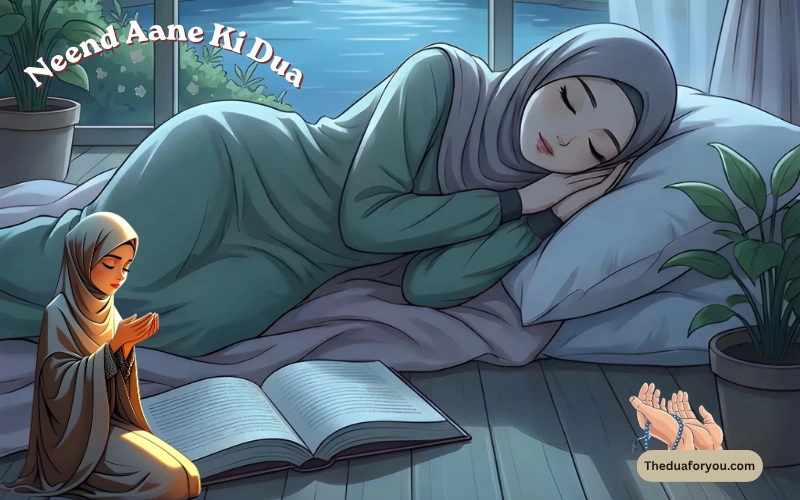
Sleep is not merely a biological need in Islam, it is a moment of complete surrender to Allah ﷻ. Before closing his eyes, the Prophet Muhammad ﷺ would always remember Allah with specific words. These words are what we know today as Neend Aane Ki Dua the supplication recited before going to sleep.
This dua is not something invented over time. It is a confirmed Sunnah recorded in Sahih al-Bukhari, the most authentic collection of Hadith. When a Muslim recites this dua with sincerity before sleeping, the night itself becomes an act of worship and waking up the next morning becomes a gift from Allah ﷻ to be grateful for.
In today’s world, many people struggle with restlessness, anxiety, and sleeplessness. Screens, stress, and overthinking have made peaceful sleep a luxury. The Prophetic practice of reciting Neend Aane Ki Dua offers not just spiritual comfort, but a real sense of calm before the soul rests.
Neend Aane Ki Dua – Dua No. 1 (The Primary Sunnah Dua)
This is the most authentic and well-known sleeping dua, narrated by Hudhaifa (رضي الله عنه) in Sahih al-Bukhari, Hadith 6324.
Arabic Text
بِاسْمِكَ اللَّهُمَّ أَمُوتُ وَأَحْيَا
Transliteration
Bismika Allahumma amutu wa ahya.
Neend Aane Ki Dua In English
“With Your Name, O Allah, I die and I live.”
Neend Aane Ki Dua In Hindi
“Tere naam par, Aye Allah! Main marta hoon aur jeeta hoon.”
Explanation
In this short yet powerful dua, sleep is referred to as a form of death and waking up as coming back to life. This is not poetic it reflects a deep Islamic truth: the soul is in Allah’s care while we sleep, and only He decides whether it returns to us. Reciting this dua is an acknowledgment that our life and our sleep both belong to Allah ﷻ alone.
Neend Aane Ki Dua – Dua No. 2 (Dua for Laying Down to Sleep)
This dua is narrated by Al-Bara ibn ‘Azib (رضي الله عنه) and recorded in Sahih al-Bukhari (6311) and Sahih Muslim (2710). The Prophet ﷺ instructed his companions to recite this dua after performing wudu (ablution) and lying down on the right side.
Arabic Text
بِاسْمِكَ رَبِّي وَضَعْتُ جَنْبِي، وَبِكَ أَرْفَعُهُ، فَإِنْ أَمْسَكْتَ نَفْسِي فَارْحَمْهَا، وَإِنْ أَرْسَلْتَهَا فَاحْفَظْهَا بِمَا تَحْفَظُ بِهِ عِبَادَكَ الصَّالِحِينَ
Transliteration
Bismika Rabbī waḍa’tu janbī, wa bika arfa’uh, fa in amsakta nafsī farḥamhā, wa in arsaltahā faḥfaẓhā bimā taḥfaẓu bihi ‘ibādakaṣ-ṣāliḥīn.
Neend Aane Ki Dua In English
“With Your Name, my Lord, I lay down my side, and with Your Name I shall raise it. If You take my soul, have mercy on it, and if You send it back, protect it as You protect Your righteous servants.”
Neend Aane Ki Dua In Hindi
“Tere naam se, Aye mere Rabb! Maine apna pahlu rakha aur tere hi naam se utha’oonga. Agar Tu meri rooh rok le toh uske saath raham farmana, aur agar use wapas bheje toh uski hifaazat kar jaisa Tu apne nek bandon ki hifaazat karta hai.”
Explanation
This dua is a complete conversation with Allah ﷻ. It covers two possibilities if the person wakes up and if they do not. It is a beautiful expression of tawakkul (complete trust in Allah). The Prophet ﷺ told his companion Al-Bara ibn ‘Azib that if a person dies after reciting this dua, they die upon the fitrah the natural state of pure faith. This shows how weighty and meaningful this short supplication truly is.
Neend Aane Ki Dua – Dua No. 3 (When Sleep Does Not Come)
This supplication is recited specifically when a person is lying in bed but sleep is not coming due to worry, overthinking, or restlessness.
Arabic Text
اللَّهُمَّ غَارَتِ النُّجُومُ وَهَدَأَتِ الْعُيُونُ وَأَنْتَ حَيٌّ قَيُّومٌ لَا تَأْخُذُكَ سِنَةٌ وَلَا نَوْمٌ يَا حَيُّ يَا قَيُّومُ أَهْدِئْ لَيْلِي وَأَنِمْ عَيْنِي
Transliteration
Allahumma ghaarati an-nujoomu wa hada-atil ‘uyoonu wa Anta Hayyun Qayyumun laa ta’khuduka sinatun wa laa nawmun, yaa Hayyu yaa Qayyoomu ahdi’ laylee wa anim ‘aynee.
Neend Aane Ki Dua In English
“O Allah! The stars have set, the eyes have grown calm, and You are the Ever-Living, the Sustainer. Neither slumber nor sleep overtakes You. O Ever-Living! O Sustainer! Calm my night and bring sleep to my eyes.”
Explanation
This dua beautifully contrasts the rest of the world with the constant wakefulness of Allah ﷻ. While everything around us settles into sleep, Allah is always aware, always watching. Reciting this dua when sleep does not come is a way of turning restlessness into remembrance and that remembrance itself brings peace.
Neend Aane Ki Dua In Quran
While a specific “sleeping dua” is not found as a standalone verse in the Quran, there are important Quranic recitations that the Prophet ﷺ specifically practiced at bedtime.
Ayatul Kursi – Surah Al-Baqarah: 255
اللَّهُ لَا إِلَٰهَ إِلَّا هُوَ الْحَيُّ الْقَيُّومُ…
Narrated in Sahih al-Bukhari, the Prophet ﷺ confirmed that whoever recites Ayatul Kursi before sleeping will remain under the protection of Allah until morning, and Satan will not come near them.
Last Two Verses of Surah Al-Baqarah (2:285–286)
The Prophet ﷺ said that these two verses recited at night are sufficient for the person who recites them a statement recorded in Sahih al-Bukhari and Sahih Muslim. These verses contain affirmation of faith, submission to Allah, and a heartfelt prayer for forgiveness and mercy.
These Quranic recitations, combined with the Sunnah duas above, form the complete Neend Aane Ki Dua In Quran routine practiced by the Prophet ﷺ himself.
Disclaimer: The duas and Islamic information provided in this article are taken from authentic sources, including Sahih al-Bukhari and Sahih Muslim. Every effort has been made to ensure accuracy and correctness of the Arabic text, transliteration, and meaning.
Bachon Ko Neend Aane Ki Dua
Teaching children Islamic duas from a young age builds a lifelong connection with Allah ﷻ. The best dua to start with for children is the shortest and simplest one:
بِاسْمِكَ اللَّهُمَّ أَمُوتُ وَأَحْيَا
Bismika Allahumma amutu wa ahya.
“With Your Name, O Allah, I die and I live.”
Bachon Ko Neend Aane Ki Dua In English:
“With Your Name, O Allah, I die and I live.”
This is easy for children to memorize and takes only a few seconds to recite. Once they have this memorized, parents can gradually add Ayatul Kursi and the three short Surahs Surah Ikhlas, Surah Falaq, and Surah An-Naas. Making this a nightly ritual creates a beautiful bedtime habit rooted in faith. It also gives children a sense of safety and comfort as they fall asleep, knowing they have placed themselves in Allah’s care.
When to Read Neend Aane Ki Dua
| Situation | Recommended Dua |
|---|---|
| Just before lying down to sleep | Dua No. 1 – Bismika Allahumma amutu wa ahya |
| After lying on the right side | Dua No. 2 – Bismika Rabbi wada’tu janbi… |
| When sleep is not coming | Dua No. 3 – Allahumma ghaarati an-nujoom… |
| Every night before sleep | Ayatul Kursi + Three Quls |
| For children at bedtime | Dua No. 1 (short and easy to memorize) |
The Complete Prophetic Bedtime Routine
The Prophet ﷺ did not simply recite a dua and sleep. He had an entire blessed routine before resting. Following it is a Sunnah that brings spiritual reward and physical peace.
Step 1 – Perform Wudu
Performing ablution before sleeping is a recommended Sunnah. The Prophet ﷺ instructed his companion to do wudu as he would for prayer before lying down (Sahih al-Bukhari 6311).
Step 2 – Lie on the Right Side
The Prophet ﷺ would place his right hand under his right cheek. This is both a Sunnah act and has been recognized by modern medicine as a comfortable sleeping position.
Step 3 – Recite Ayatul Kursi
Recite it once. Its protection lasts through the entire night.
Step 4 – Recite the Three Quls
Recite Surah Ikhlas, Surah Falaq, and Surah An-Naas. Blow gently into the palms and wipe over the body starting with the face and head. Repeat three times. This was a consistent practice of the Prophet ﷺ.
Step 5 – Recite Dua No. 1 and Dua No. 2
End with Bismika Allahumma amutu wa ahya and then Bismika Rabbi wada’tu janbi.
This entire routine takes less than five minutes and transforms sleep into a deeply spiritual act of worship.
Benefits of Neend Aane Ki Dua
1. Sleep Becomes an Act of Worship
When a Muslim follows the Prophetic sleeping Sunnah, even their hours of rest are counted as worship. This is one of the unique blessings of the Islamic way of life.
2. Protection from Shaytan
Reciting Ayatul Kursi and the Three Quls before sleep is a confirmed shield against the whispers and harm of Shaytan narrated authentically in Sahih al-Bukhari.
3. Dying Upon Faith
The Prophet ﷺ told Al-Bara ibn ‘Azib that if a person recites Dua No. 2 and passes away during their sleep, they will die upon the fitrah the natural state of pure Islamic belief. This is one of the most profound motivations to make this dua a nightly habit.
4. True Tranquility
Allah ﷻ says in the Quran:
أَلَا بِذِكْرِ اللَّهِ تَطْمَئِنُّ الْقُلُوبُ
“Verily, in the remembrance of Allah do hearts find rest.”
No sleeping pill or relaxation technique can offer what the remembrance of Allah offers. When the tongue is engaged in His praise before sleep, the heart settles naturally.
5. Protection from Bad Dreams
Reciting the Prophetic duas and Surahs before sleep creates a barrier of spiritual protection that helps guard against frightening dreams and nighttime anxiety.
6. Starting the Morning with Gratitude
The Prophet ﷺ, upon waking, would immediately say:
الْحَمْدُ لِلَّهِ الَّذِي أَحْيَانَا بَعْدَ مَا أَمَاتَنَا وَإِلَيْهِ النُّشُورُ
“All praise is for Allah, Who gave us life after causing us to die, and to Him is the resurrection.”
The sleeping dua and the waking dua together complete a full circle of gratitude and submission.
Read Also: Bakra Zibah Karne Ki Dua
Conclusion
Neend Aane Ki Dua is more than a bedtime prayer it is a declaration of complete trust in Allah ﷻ. When a Muslim rests their head on the pillow and says “Bismika Allahumma amutu wa ahya,” they are surrendering their soul to the One who never sleeps, the One who is always aware, always in control.
Whether you are looking for Neend Aane Ki Dua In English, its Arabic text, its Hindi meaning, or a simple Bachon Ko Neend Aane Ki Dua for your children the source is the same: the authentic Sunnah of the Prophet Muhammad ﷺ, preserved for over 1,400 years.
Make this dua a part of your nightly routine. Teach it to your children. Let your last words before sleep be the name of Allah. And when morning comes, greet it with gratitude because waking up is itself a mercy.
May Allah grant us peaceful sleep, protect our souls through the night, and wake us with hearts full of gratitude. Ameen.
Frequently Asked Questions
Q1. What is Neend Aane Ki Dua?
It is the Islamic supplication recited before sleep. The most authentic version is “Bismika Allahumma amutu wa ahya” recorded in Sahih al-Bukhari
Q2. What is Neend Aane Ki Dua In English?
“With Your Name, O Allah, I die and I live.”
Q3. What is Neend Aane Ki Dua In Quran?
Ayatul Kursi (Al-Baqarah: 255) and the last two verses of Surah Al-Baqarah are the Quranic recitations recommended before sleep in authentic Hadith.
Q4. What is Bachon Ko Neend Aane Ki Dua?
“Bismika Allahumma amutu wa ahya.” It is short and easy for children to memorize.
Q5. What to recite when sleep does not come?
Recite: “Allahumma ghaarati an-nujoomu wa hada-atil ‘uyoon…” along with Ayatul Kursi.
Q6. Is wudu before sleeping obligatory?
No, it is Sunnah not obligatory. But it carries great reward as mentioned in Sahih al-Bukhari (6311).
Q7. Can I recite the sleeping dua in any language?
Arabic is preferred. Understanding the meaning in your own language helps you connect more deeply with the dua.
 Recite Also These Beautiful Duas For Blessings And Peace: